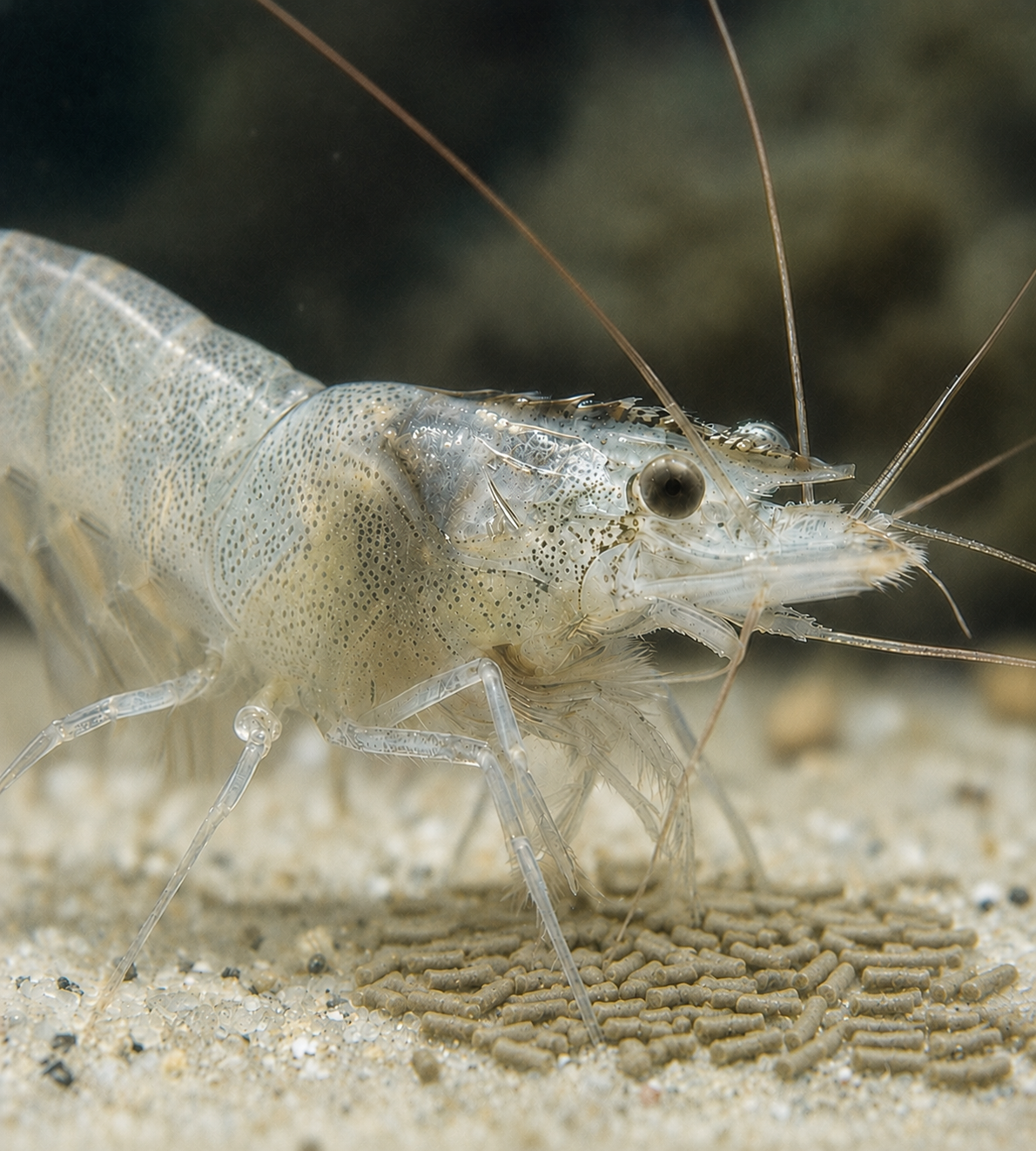
Shrimp Feed
Trial Report 01Crumble water-stability study, October 2023 — CONTROL vs. sodium alginate 0.2%, pectin 0.2%, and BERDA 0.2% during an extended high-temperature period (26-28°C for 57 days).
- Date of production
- October 2023
- Product
- Crumble
- Purpose
- Water stability through an extended high-temperature period (26–28°C for 57 days)
- Treatments
- CONTROL / Sodium alginate 0.2% / PECTIN 0.2% / BERDA 0.2%
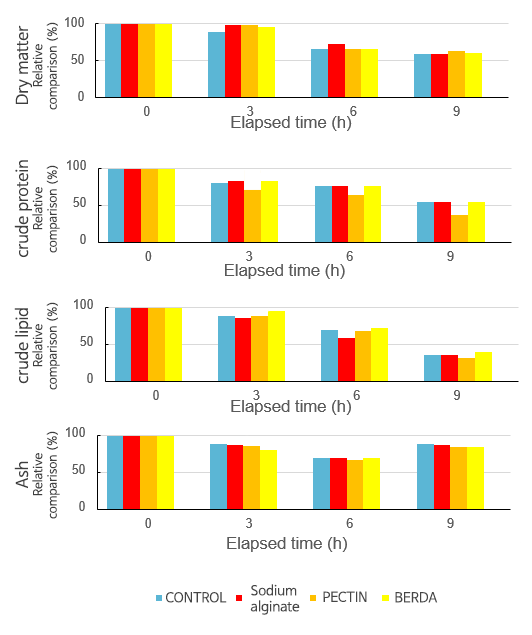
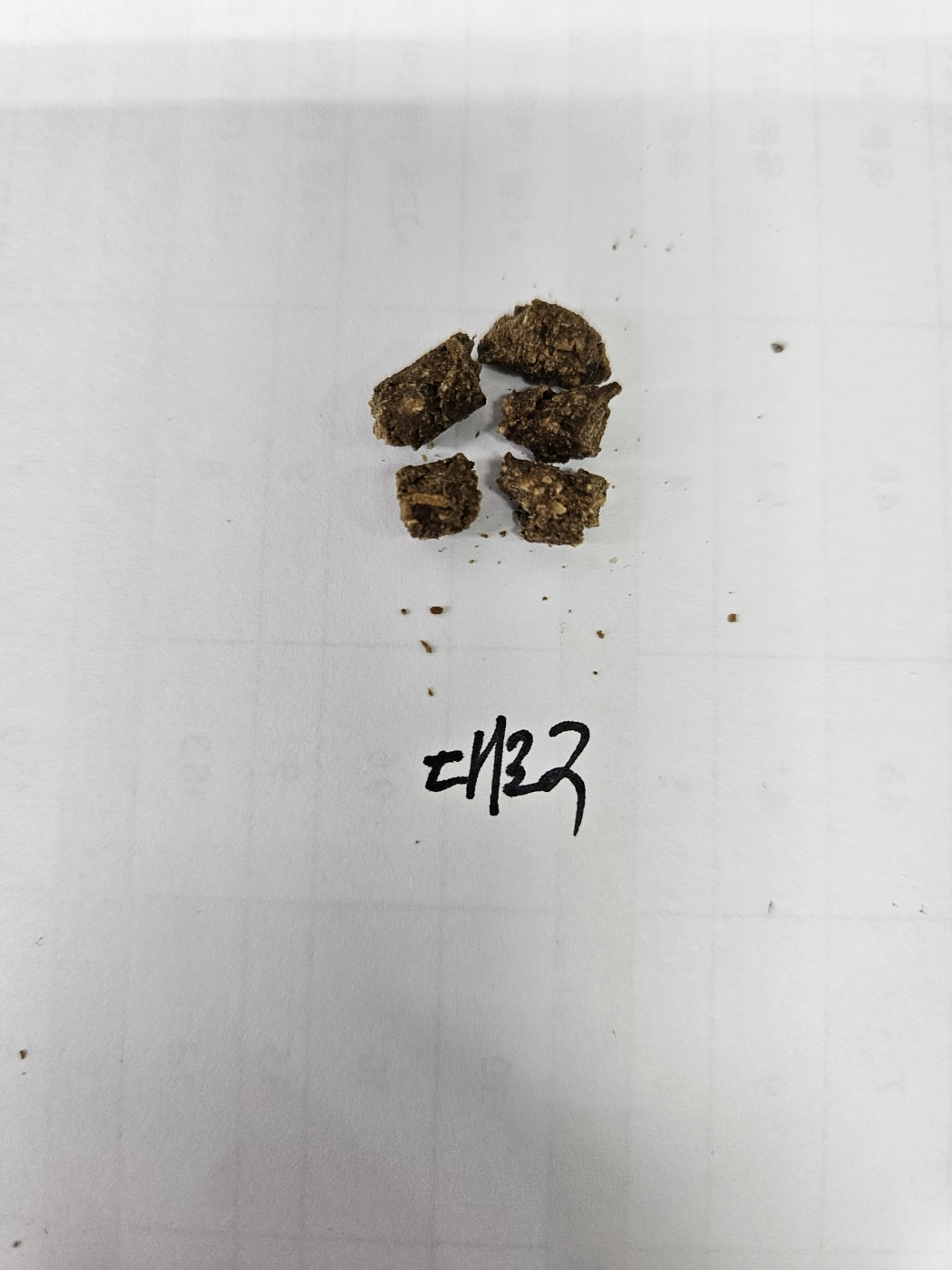
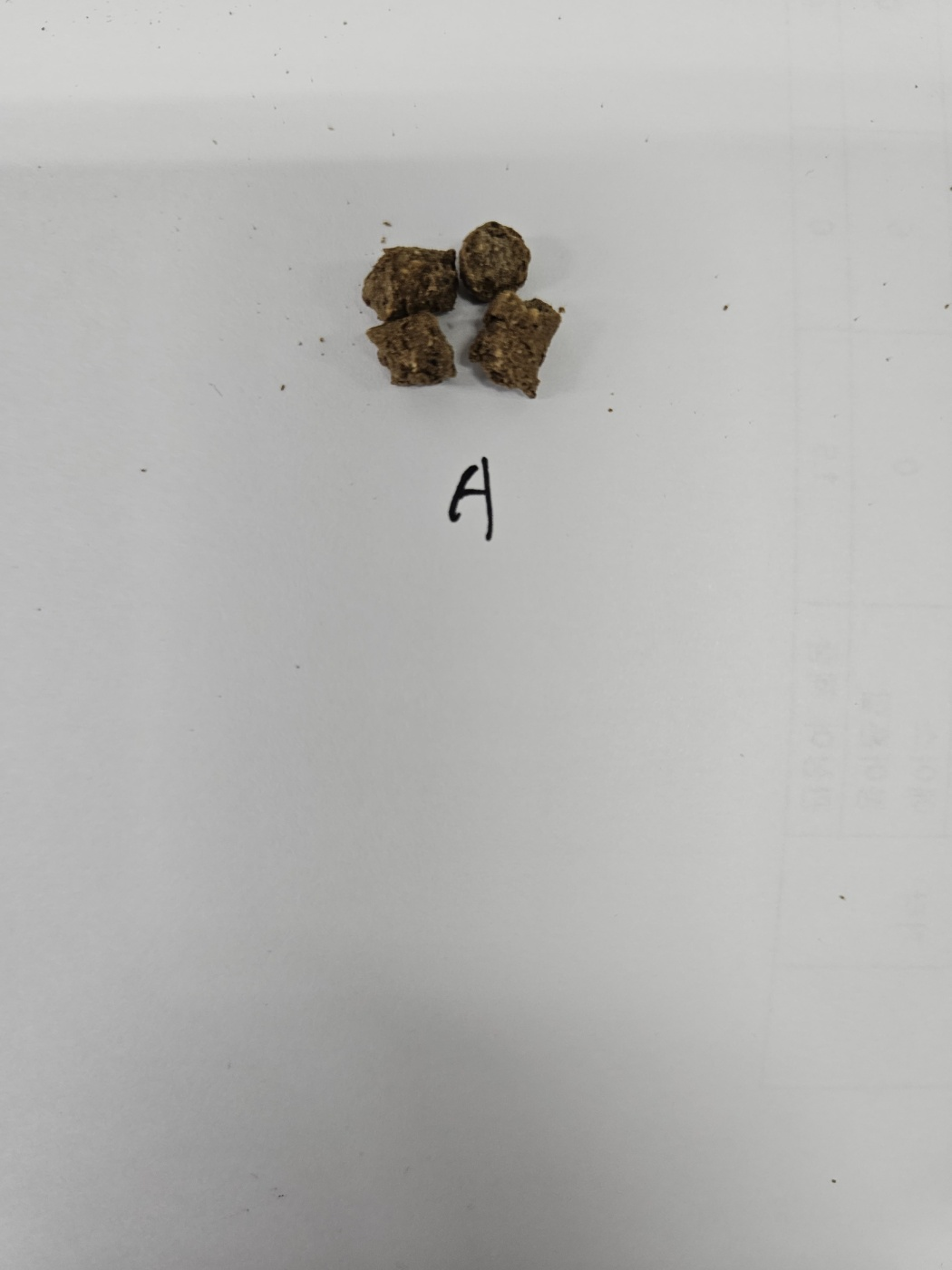
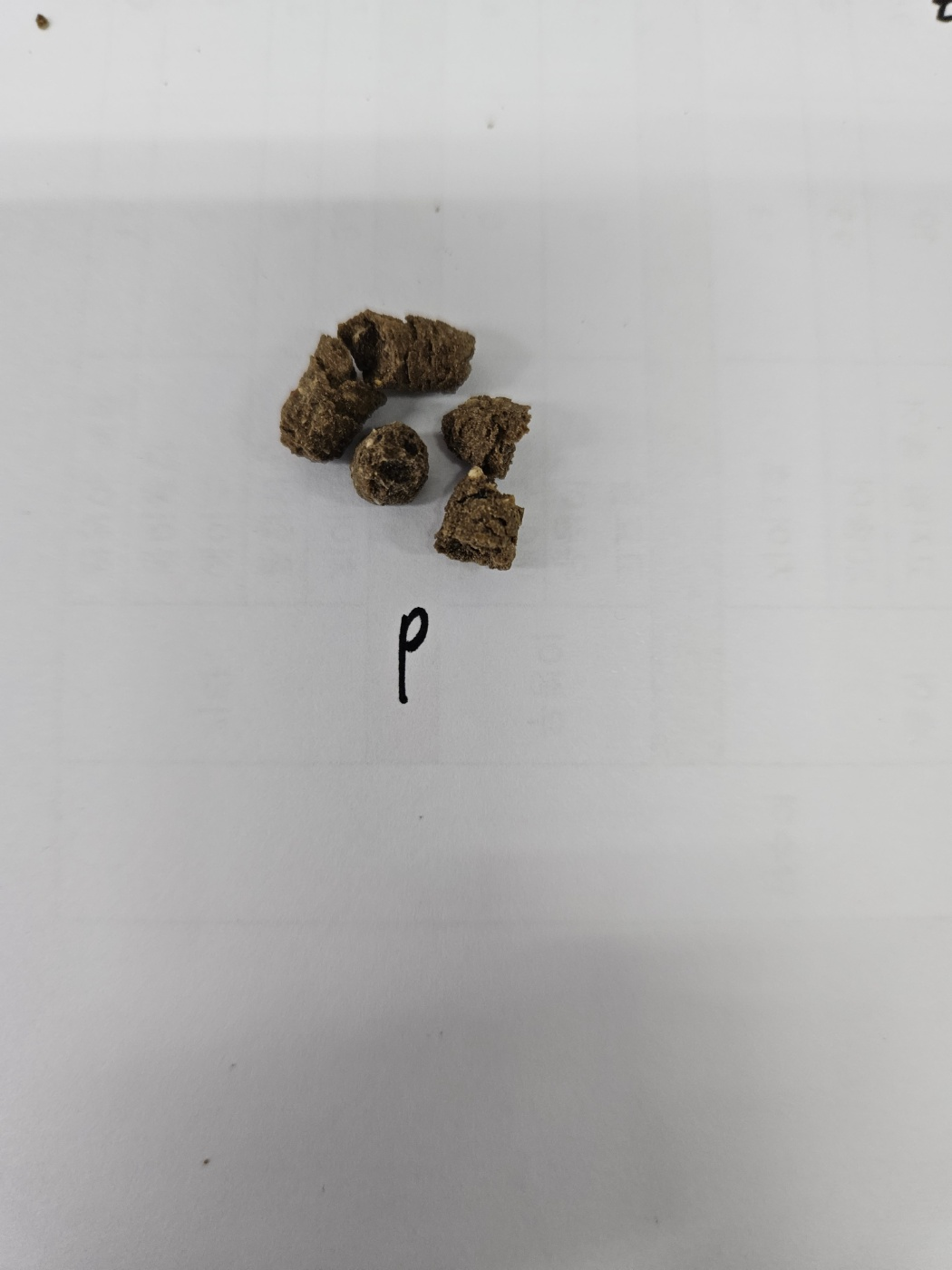
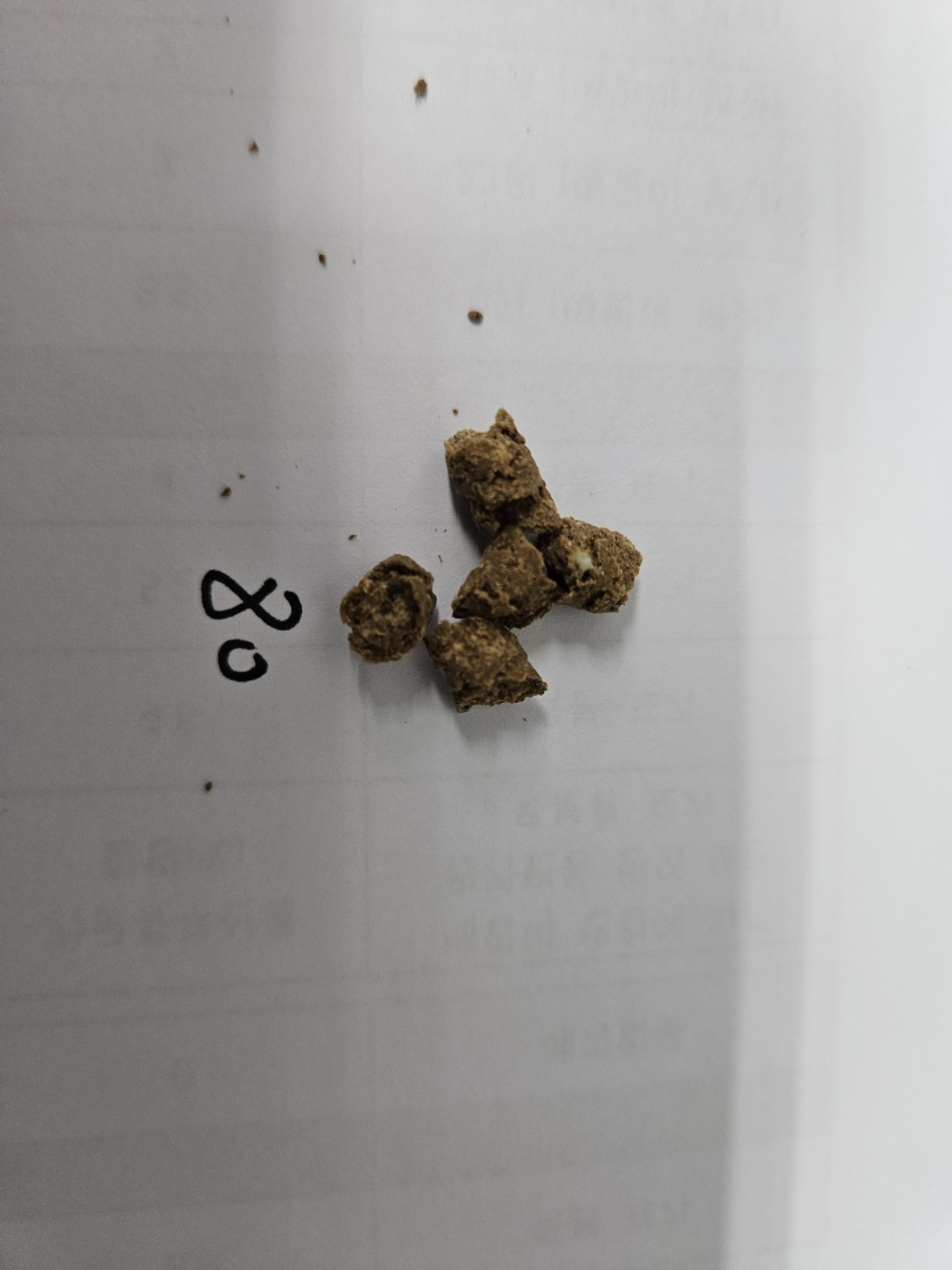
Water-stability outcomes (nutrients retained in the feed while in water)
| Indicator | CONTROL | Sodium alginate 0.2% | PECTIN 0.2% | BERDA 0.2% |
|---|---|---|---|---|
| Dry matter | Declined steadily | Held well | Held well | Held well |
| Crude protein | Reference | Above control | Similar to control | Above control |
| Crude lipid | Reference | — | — | Highest of all groups |
* Factoring in the unit price of sodium alginate and pectin, BERDA offered the best balance of water stability and cost.
Key findings
- —When shrimp feed collapses in water it becomes inedible, builds up on the pond bottom, degrades water quality, and holds back shrimp growth — so nutrient retention in water is the key indicator.
- —Dry matter declined steadily in the control feed, while every treated group (sodium alginate, pectin, BERDA) held it noticeably better.
- —Crude protein stayed above the control level in the sodium alginate and BERDA groups, and BERDA retained the most crude lipid of all groups.
- —Factoring in the price of sodium alginate and pectin, BERDA offered the best balance of water stability and cost.