Since 199301
30 years of expertise in pellet binder manufacturing
Hanpel has built practical manufacturing knowledge through long-term feed binder production and buyer support.
Hanpel develops practical binder solutions for feed manufacturers that need pellet quality, stable production, and clear trial support.
Since 1993, Hanpel has supplied binder and ingredient solutions backed by production trials, quality checks, and stable B2B handling.
Hanpel has built practical manufacturing knowledge through long-term feed binder production and buyer support.
The company supports international feed manufacturers with export handling, documentation, and product consultation.
Hanpel brings a strong Korean market position to global buyers looking for proven pellet binder sourcing.
Feed mills typically choose between gelatin-based binders, urea formaldehyde, lignosulfonate, and sepiolite. The table below compares them on inclusion level, nutritional contribution, and composition.
| BERDA N (gelatin-based) | Urea formaldehyde | Lignosulfonate | Sepiolite | |
|---|---|---|---|---|
| Typical inclusion level | 0.3–0.5% | 0.5–1.0% | 1.0–2.0% | 1.0–2.0% |
| Nutritional level | High | None | Low | Indirect |
| Protein content | >60% | 0% | 0% | 0% |
| Fiber content | 0% | 0% | 75% | 0% |
| Ash content | 5% | 0% | 16% | 100% |
| Natural ingredient | Yes | No | Yes | Yes |
* Composition figures from Hanpel product documentation. A low inclusion level with high protein content makes BERDA N suited to energy- and protein-concentrated feeds such as dairy cattle feed, pet food, broiler, turkey, and piglet feed.
BERDA trial materials summarize results across poultry, cattle, pig, and aqua feed. Public content is intentionally condensed for buyer screening.
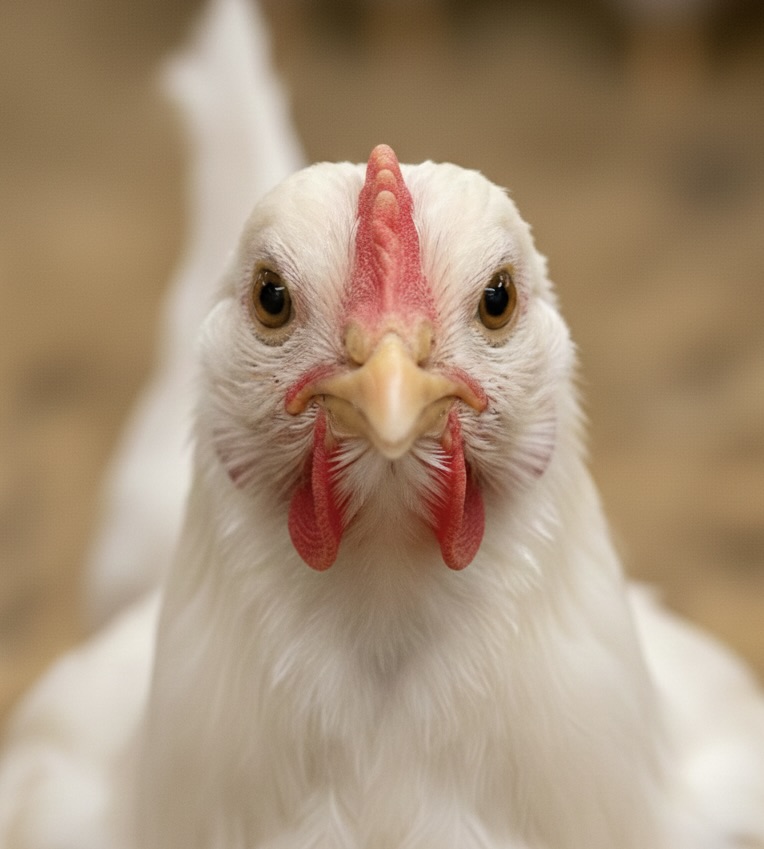
PDI improved from 96.6% control average to 97.9% with BERDA in a 2023 pellet trial.
View trial records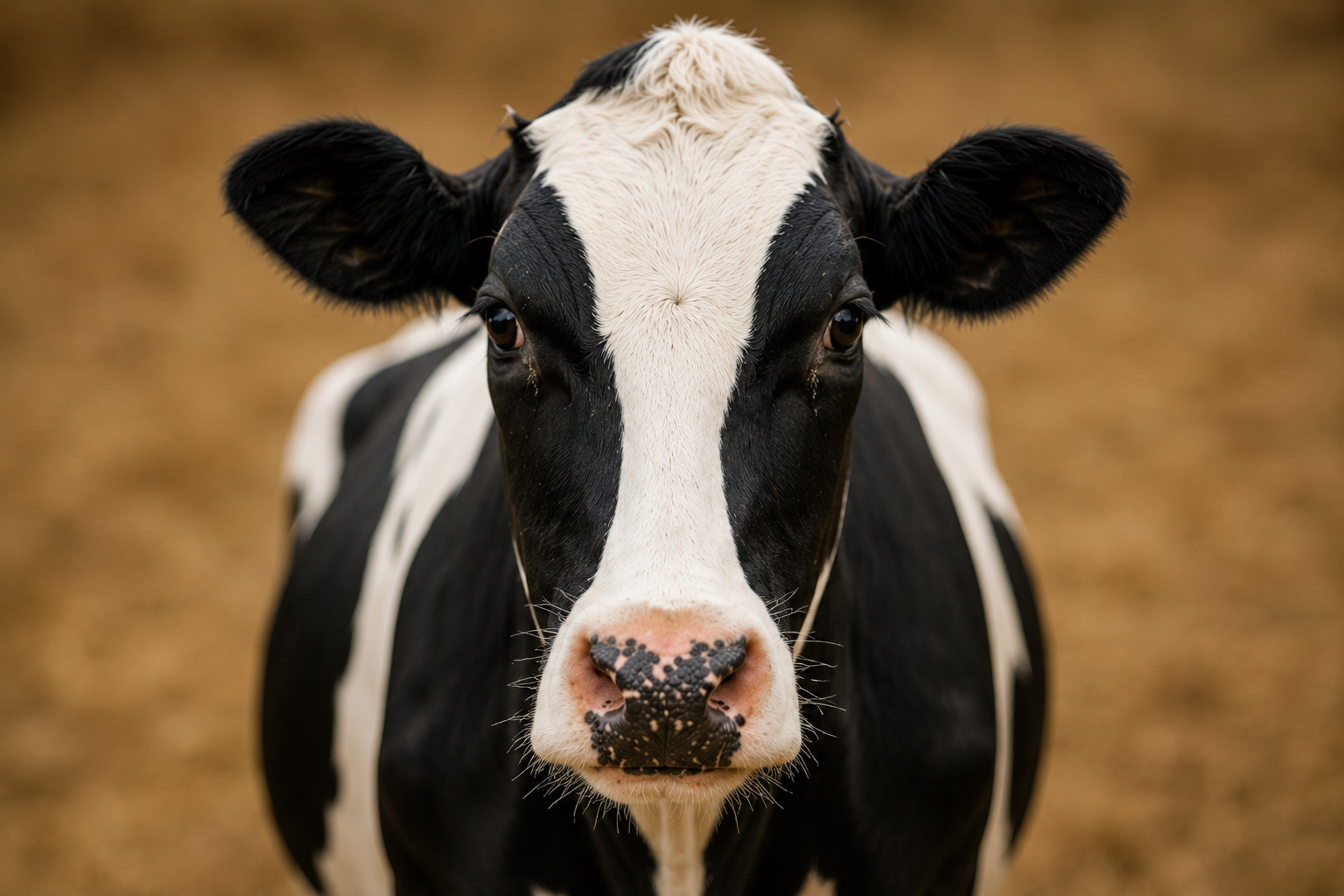
GUMMY maintained stronger hardness and PDI results across multiple cattle pellet trials.
View trial records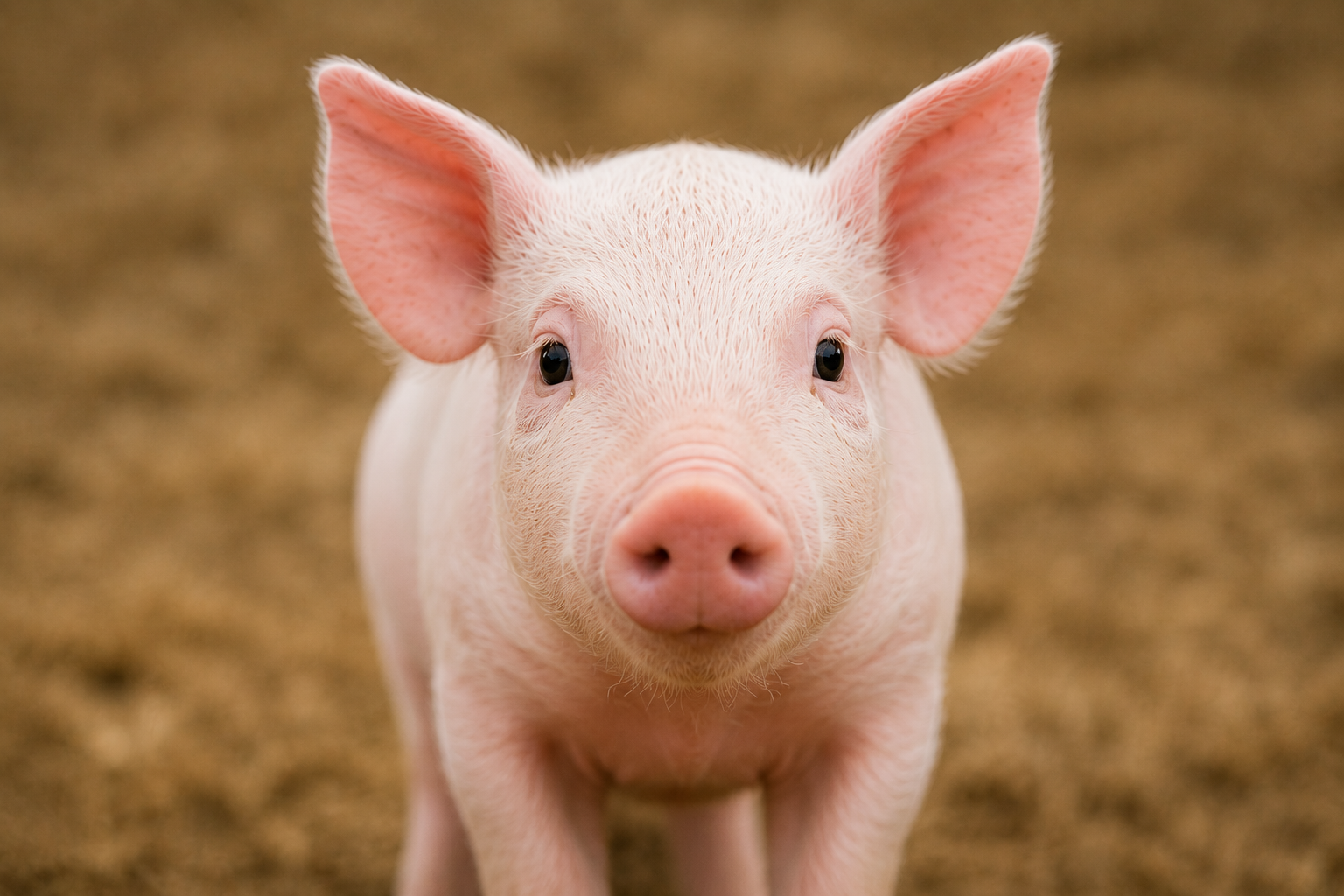
A crumble trial showed more than 27% hardness increase with expected productivity improvement.
View trial records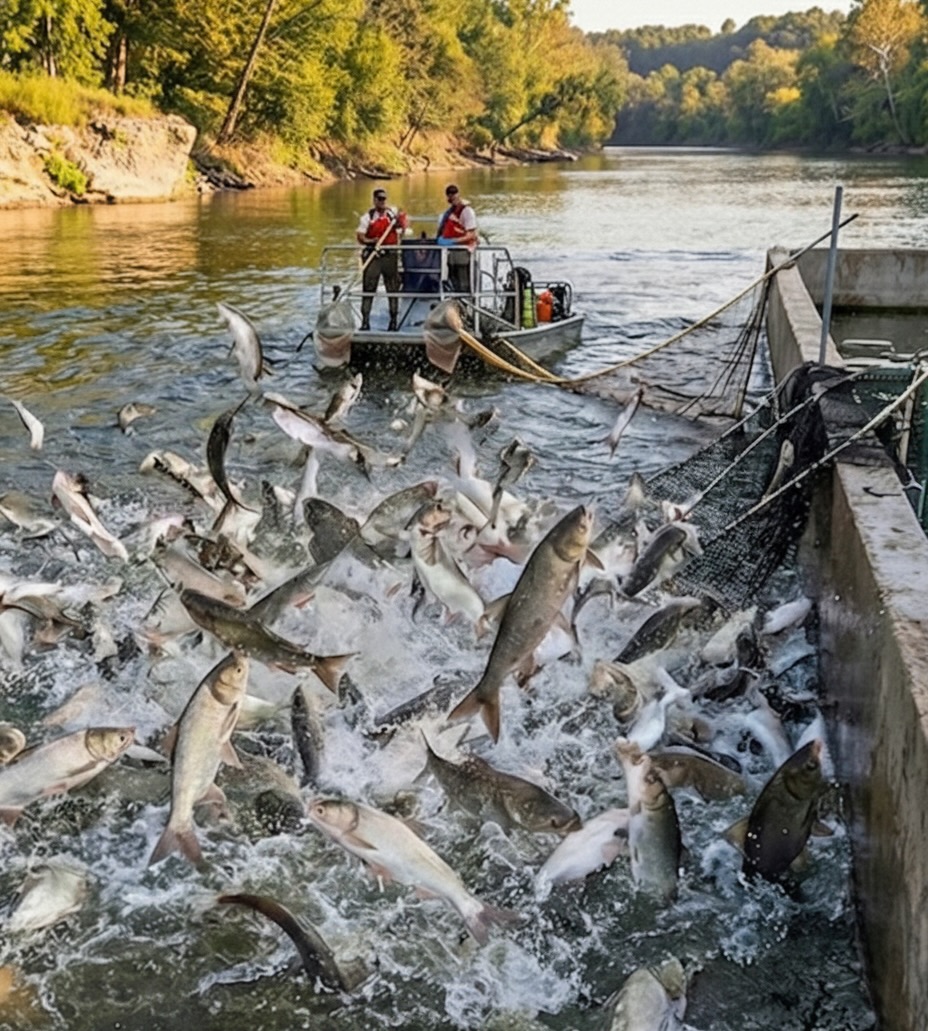
Fines generated during aqua feed production fell from 13% to 6% with BERDA, with a clear economic benefit.
View trial records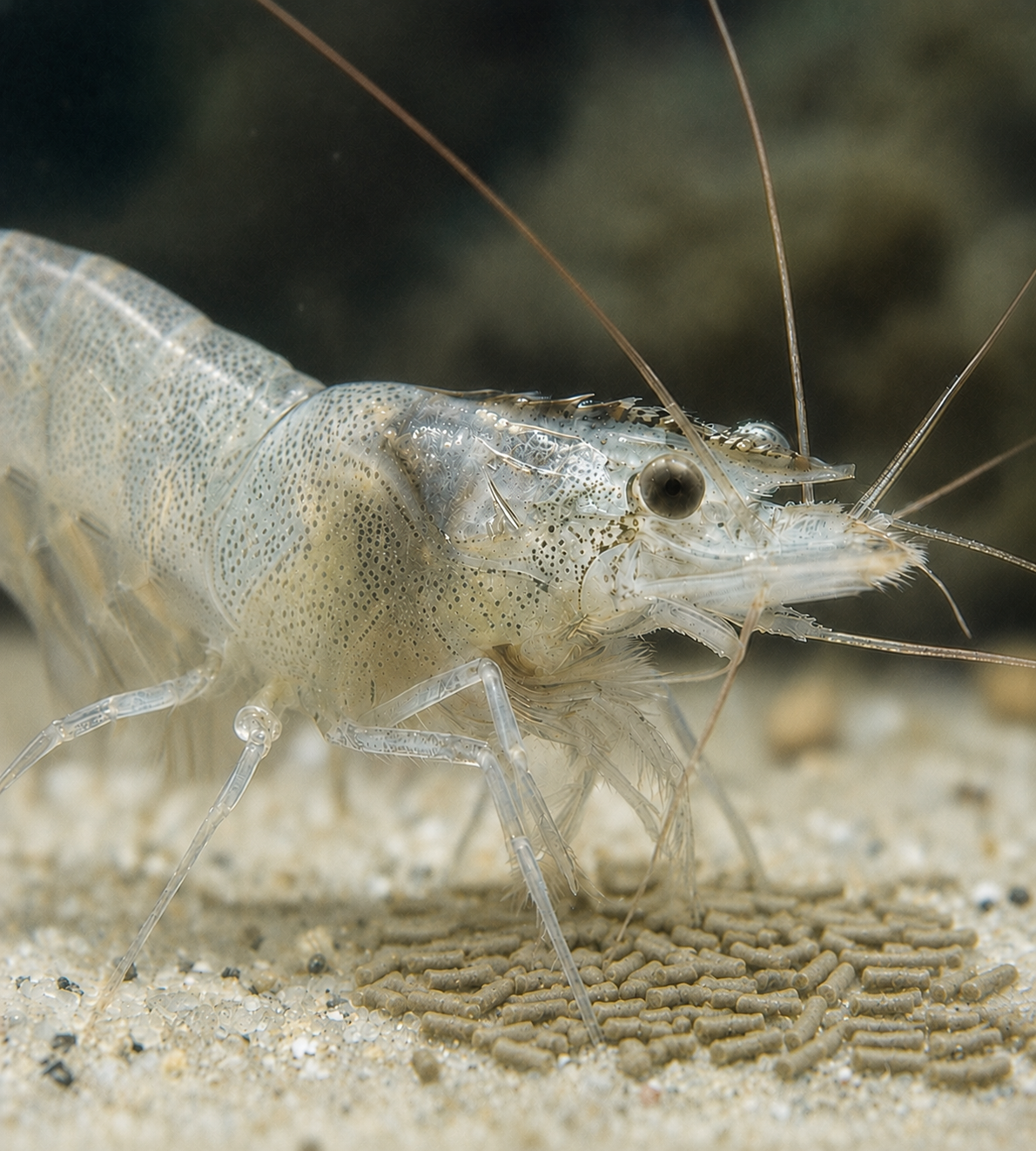
In a 2023 water-stability study, BERDA-treated feed held its nutrients in 26-28°C water better than control.
View trial records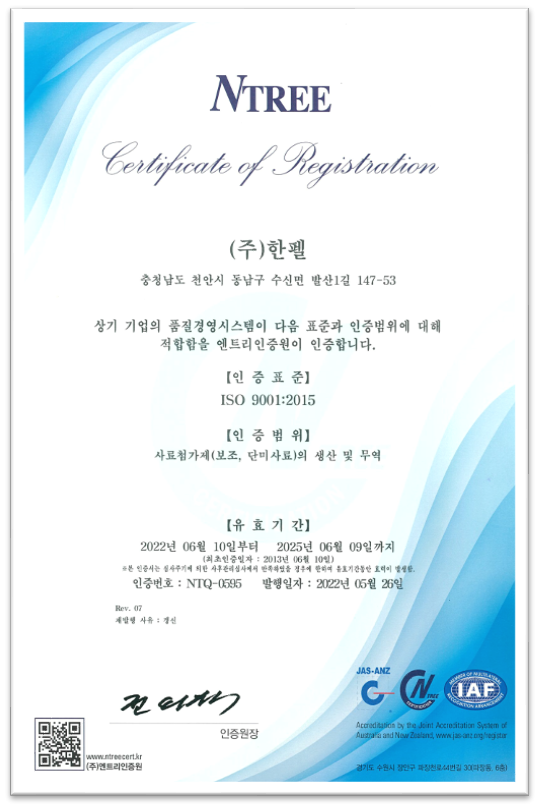
Quality Management System
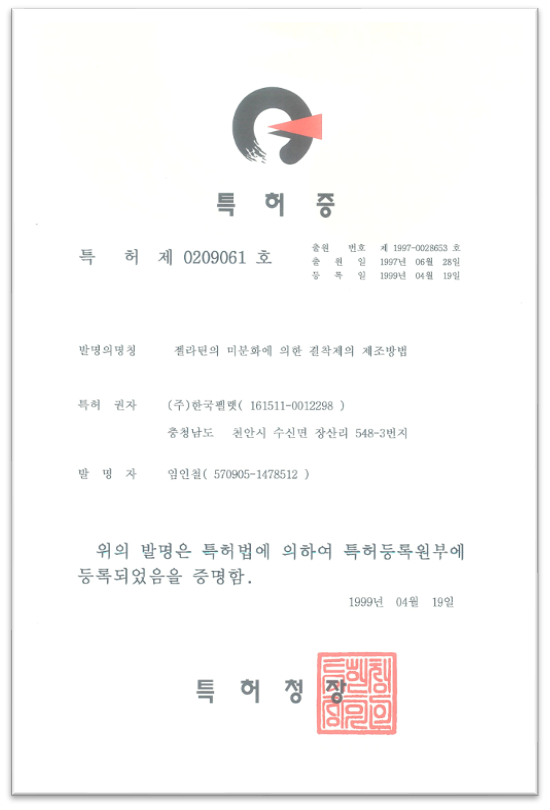
Micronized Gelatin Binding Process
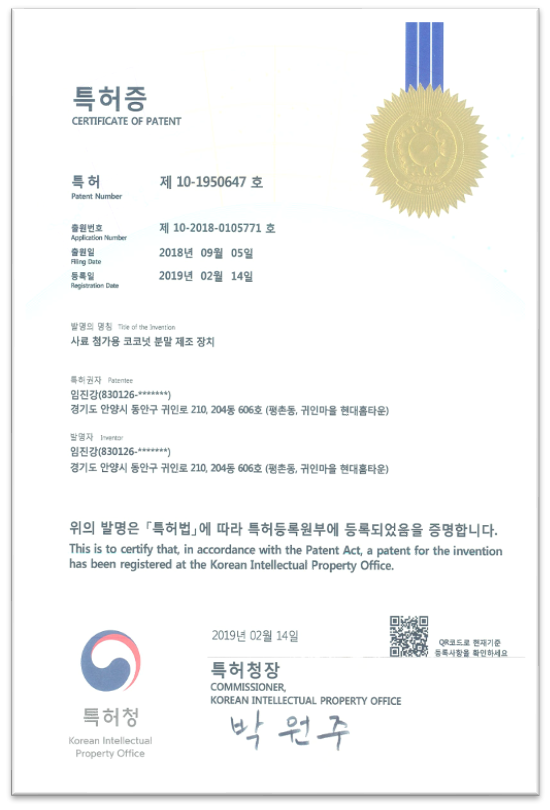
Advanced Coconut Powder Manufacturing System
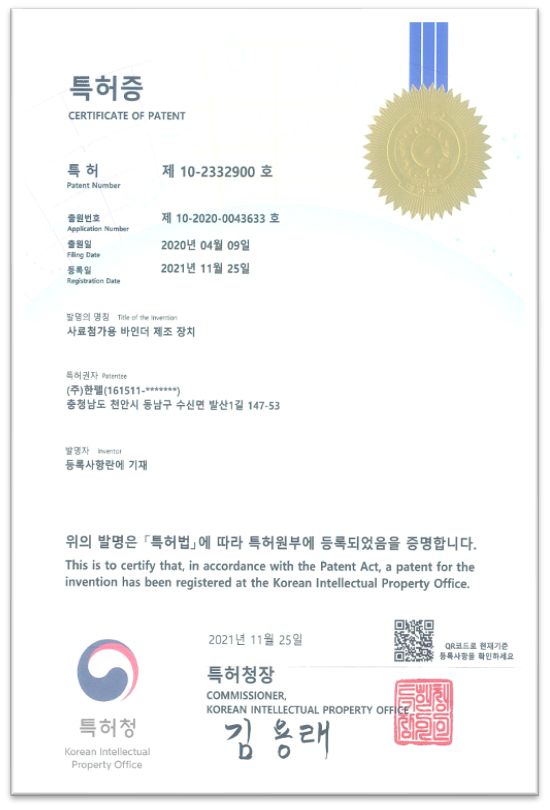
Advanced Feed Binder Manufacturing System
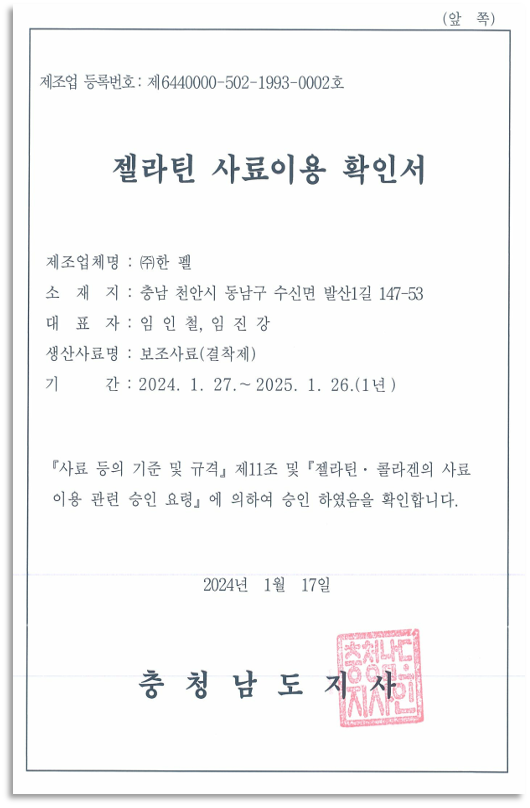
Chungcheongnam-do Provincial Approval
TM
Application
Global Brand Protection
A pellet binder holds compressed feed together so pellets keep their hardness, durability (PDI), and shape through production, transport, and storage. Good binding reduces fines and dust, protects nutrient delivery, and — in aqua feed — keeps pellets stable in water. HANPEL's production trials have measured higher hardness and PDI and fewer fines when a binder such as BERDA is included.
BERDA is a gelatin-based nutritional pellet binder manufactured by HANPEL TECH CO., LTD in Korea. It contains more than 60% protein and works at a low inclusion level of about 0.3–0.5% of the feed, which makes it well suited to energy- and protein-concentrated feeds such as dairy cattle feed, pet food, broiler, turkey, and piglet feed.
GUMMY is HANPEL's 100% plant-based pellet binder. It blends plant ingredients with strong binding performance — such as karaya gum, guar gum, corn starch, CMC, and active gluten — and is recommended for product lines that must stay free of animal-derived proteins, including ruminant feed mills that avoid animal protein.
Finely ground binder particles have a larger reactive surface area, absorb moisture better during conditioning, and therefore increase pellet durability. Grinding gelatin finely is technically difficult because of its hardness and viscosity; HANPEL uses its patented process to mill gelatin below 100 mesh for BERDA.
There is no single answer — die size, conditioning temperature, steam quality, formula (fat, starch, protein sources), and even operator practices change the result. HANPEL supports buyers with trial samples and inclusion-level guidance, and recommends sealed-storage testing of PDI and hardness for 5–10 days under the same production conditions.